
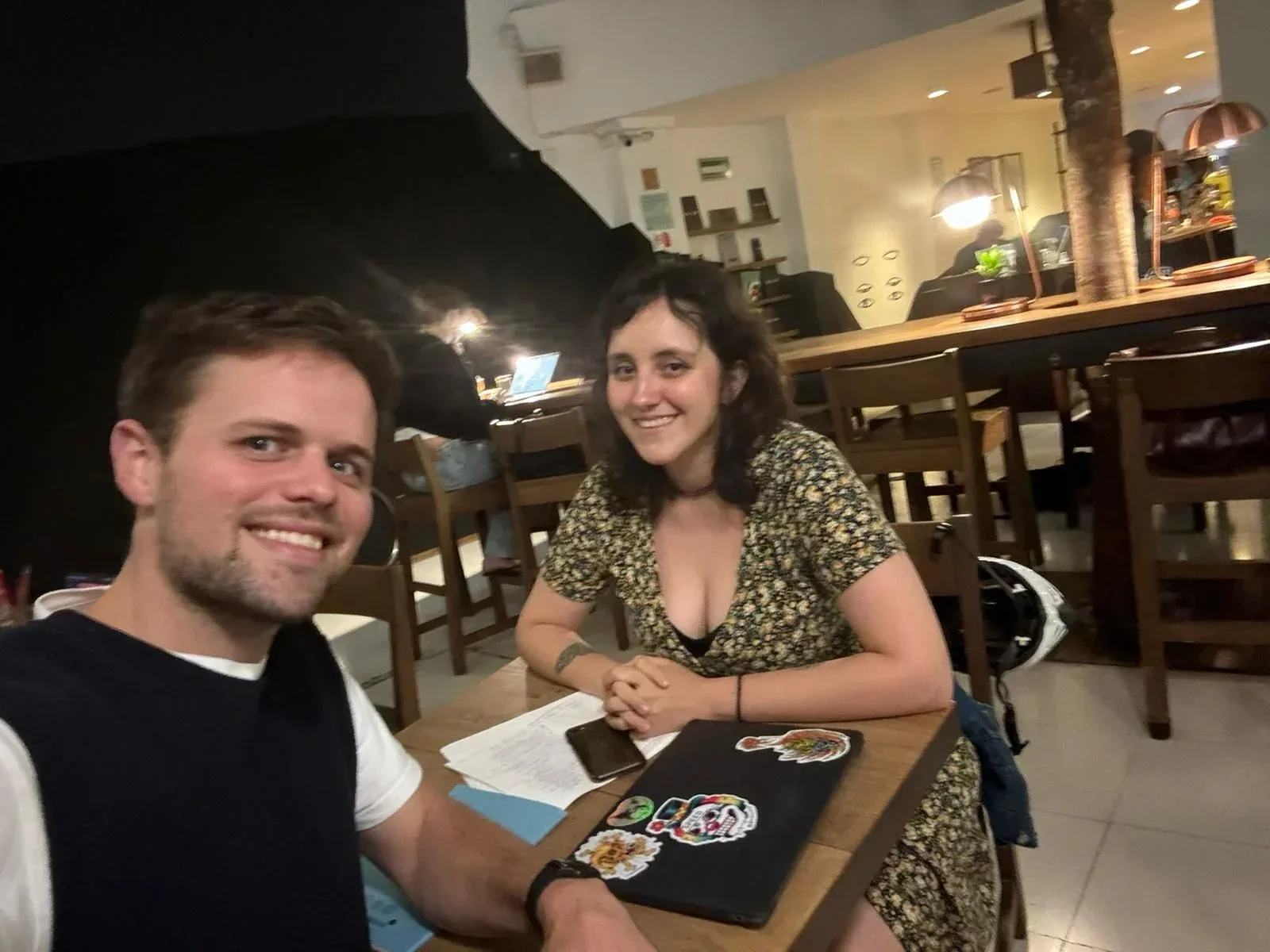
HOW TO CHOOSE THE RIGHT SPANISH LANGUAGE SCHOOL IN MEXICO CITY A COMPLETE 2025 GUIDE
Choosing a Spanish school in Mexico City feels overwhelming now. So many options. A wrong pick costs you time and money. The right one transforms your experience here. This guide helps you find a real fit for your goals and budget, past the glossy ads.
Why Mexico City? Immersion. You will practice daily in markets and cafes, not just in a classroom. The local accent is clear and neutral, ideal for learners. It's also significantly more affordable than studying in Europe, offering top-tier education alongside an amazing cultural experience. It's the practical choice.
Define Your Spanish Learning Goals
Before searching, ask why. This is your compass. Do you need academic Spanish for a degree, focused on grammar and writing? Or conversational skills for travel and daily life? These paths demand different schools. Your timeline matters too: a two-week intensive course or a six-month program? Being honest now prevents a poor fit later. Clarity on your goal and time is the most critical step.
Types of Spanish Language Schools in Mexico City
Not all schools are built the same. Knowing the lay of the land helps you focus. You've basically got three camps.
• Private Language Institutes: These are The Dedicated Language Schools. They usually do small groups and can be super flexible with schedules. Perfect for professionals or anyone else who doesn't follow a normal school schedule.
• University-Affiliated Programs: Think places connected to UNAM or other big universities. This is formal education. They're perfect if you need academic credit, a recognized certificate, or are on a classic semester abroad program.
• One-on-One Tutoring: The fully custom route. It's just you and a teacher. Progress is usually fastest because every single minute is designed for your specific weak spots and goals. It's the most personal you can get.
Key Factors to Consider When Choosing a School
Okay, you know your goal and the type of school you might need. Now, get picky. These details separate the decent places from the exceptional ones.
Accreditation and Reputation
Look for proper certifications, of course. But that's just the ticket to play. The real story is in the reviews. Go deep on Google. Read the testimonials on the school's site. Don't just look at the star rating; read the comments. What do people consistently praise? Teacher skill? Organization? Real progress? What do they complain about? One bad review might be from a grumpy person. A pattern of the same complaint is a flashing warning sign you cannot ignore.
Qualified Native Spanish Teachers
This is the most important part. The teacher is everything. They must be native speakers. But, crucially, they must also be trained to teach Spanish as a foreign language. This is a specific skill! A fantastic Spanish speaker can be a terrible teacher. Ask directly: "What's your teaching experience? What method do you use?" A great school is proud of its teachers and will tell you.
Class Size and Teaching Methodology
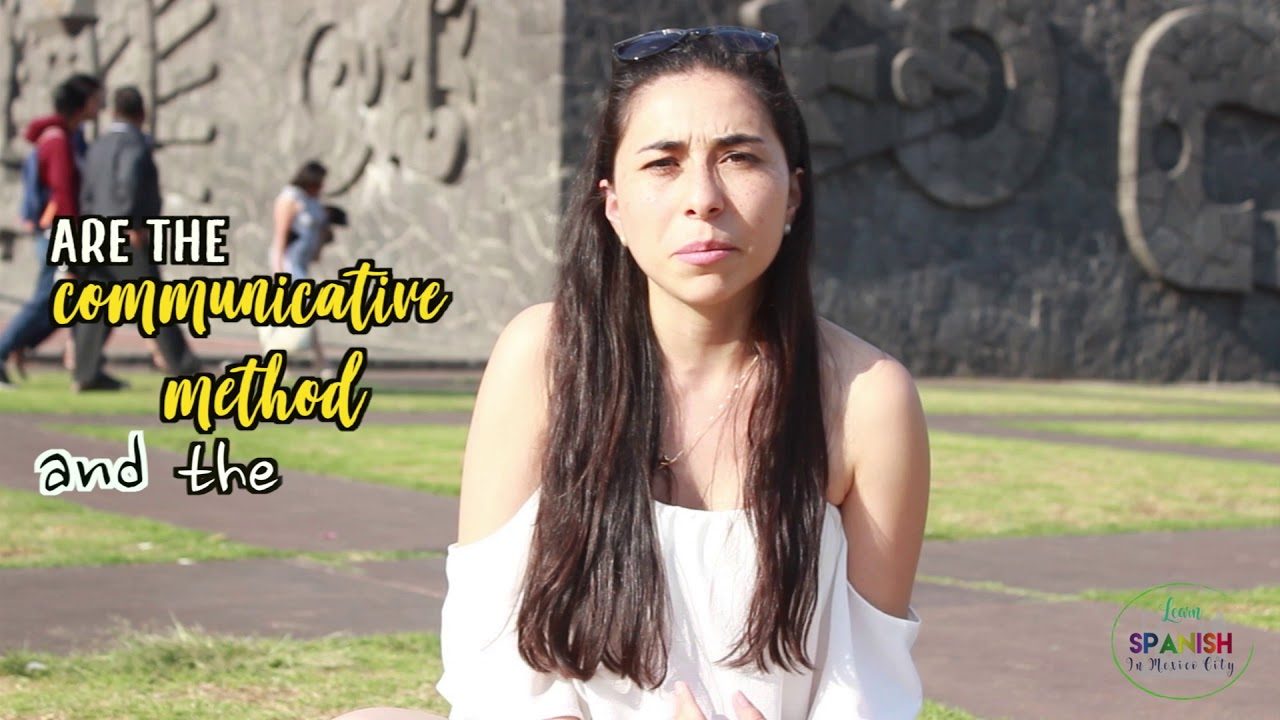
How many people are in the room? For speaking practice, small is everything. A class of 4-6 students is ideal. You can't hide; you get constant attention. Ask about the method. The best schools today use a communicative approach. That's a fancy term for learning by doing. You're talking, role-playing, and solving problems in Spanish from the very first class. It's not about silently memorizing verb charts from a textbook all day.
Location and Neighborhood
Think about your actual daily life. A school in a central, walkable neighborhood like Condesa or Roma isn't just a nice perk. It means shorter, easier commutes and more energy left to actually learn and explore. Is it near a Metro station? What's around it? Being close to cafes, parks, and museums turns the entire city into your classroom. The location directly fuels your immersion or kills your momentum.
Cultural Activities and Immersion Programs
Learning shouldn't stop when class ends. The best schools bake culture into their program. They organize city walking tours, cooking classes, conversation meetups, or weekend trips. This isn't just fun extra stuff. It's where you practice Spanish in real, messy, unscripted situations. It's where you truly learn. If a school treats these as an afterthought, it shows.
Course Flexibility and Costs
Life happens. Does the school have flexible start dates, or only one intake per month? Can you switch from morning to evening classes if your job changes? In 2025, there are a great number of good schools with hybrid models, some days face-to-face, some online. And with costs, look at the total value, not just the sticker price. What does the tuition actually include? Books? Materials? Those cultural activities? Watch out for hidden fees. The lowest price often gives you the cheapest experience.
Your Next Steps: From Research to Decision
You've got the checklist. Now act. If you're already in the city, visit your top two schools. Get a feel for the place. Sit in on a trial class if they offer it; it's the best way to judge the teaching vibe. Ask the school how they track student progress. A Professional Spanish Language School should be able to clearly explain their assessment methods.
This choice is a big deal. You need a place that challenges you but also supports you. Let your personal goals and the quality of the teaching be your guide, not just a pretty brochure or a low price.
Ready to find that match? Learn Spanish in Mexico City designs its programs around this whole idea of personalized, immersive learning. They focus on what you actually need. Reaching out to start that conversation could be the first, most important step of your entire journey here.
